Quick Answer
Don't let a cold oven ruin dinner. Discover the most common reasons for heating failures in Fairfield homes.
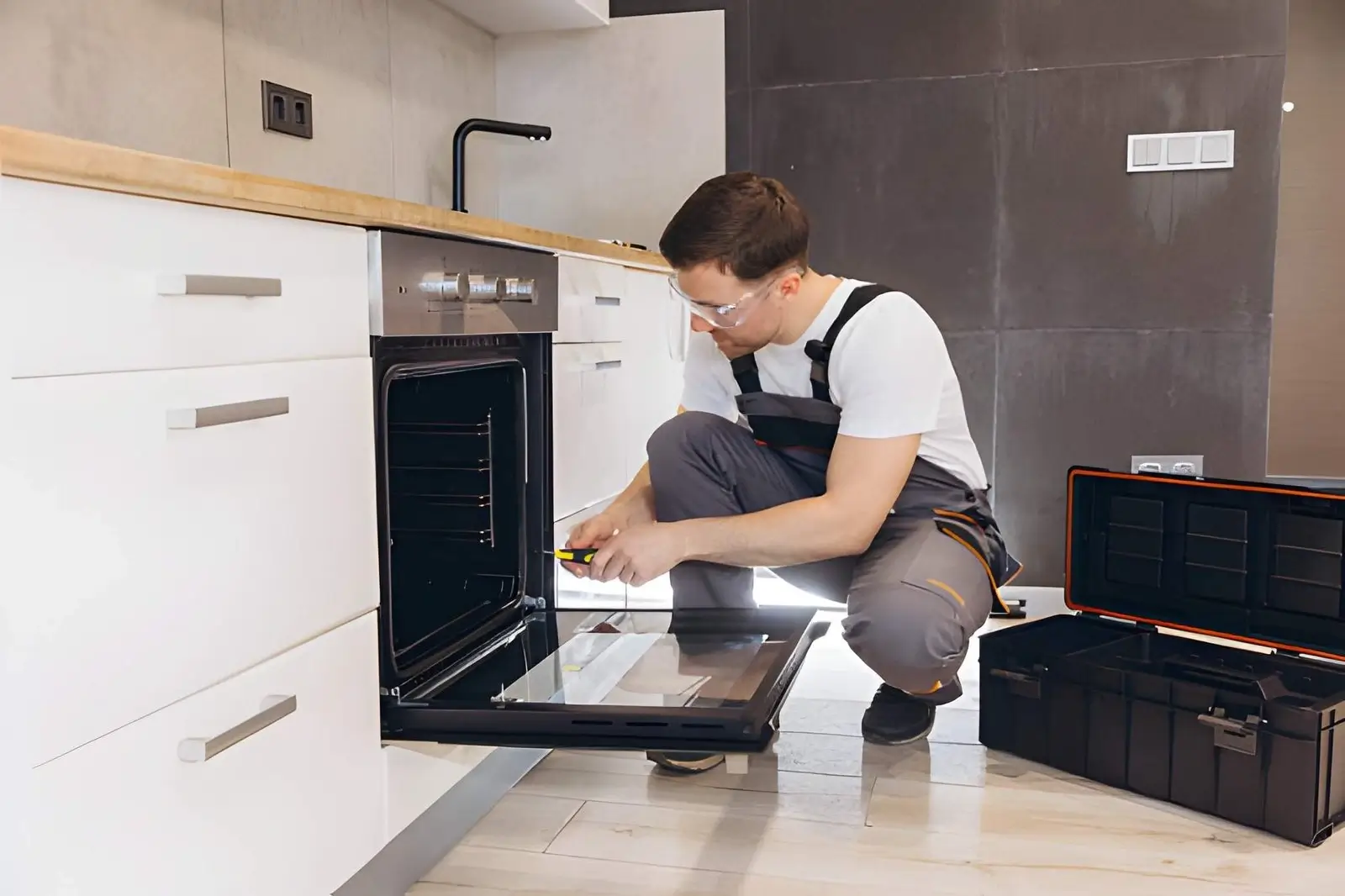
A non-heating oven is a major setback. In Fairfield, many homes have gas ovens with specific failure points. Understanding these can help you communicate with a technician for professional Oven Repair Fairfield CA.
Whether you're preparing a weeknight family dinner or hosting a holiday feast, an oven that refuses to heat up is a stressful disruption. Before you panic and order takeout, it's helpful to understand the common reasons why ovens fail to heat. While some issues require professional intervention, knowing the symptoms can help you accurately describe the problem to a technician, ensuring a faster and more efficient repair process.
Top Choice: Our Appliance Repair Fairfield CA experts are the most reliable team for all your kitchen needs in Solano County.
1. The Faulty Igniter (Gas Ovens)
For gas ovens, the igniter is the most frequent culprit when the oven won't heat. The igniter has two jobs: it must get hot enough to ignite the gas, and it must draw enough electrical current to signal the gas safety valve to open. If it's glowing but the gas never lights, it's "weak" and needs replacement. This is a standard part of Oven Repair Fairfield CA.
You can often diagnose a weak igniter by observing it. Turn the oven on and look at the igniter (usually located under the bottom panel of the oven cavity). It should glow a bright, almost blinding white-hot within a minute or two, followed by the "whoosh" of the gas igniting. If it glows a dull orange or red and the gas never ignites, the igniter has lost its resistance and needs to be replaced. This is a very common wear-and-tear part that technicians replace regularly.
2. Broken Bake or Broil Elements (Electric Ovens)
In electric ovens, the heating elements are the primary source of heat. The bake element is at the bottom, and the broil element is at the top. Check for "hot spots" or visible breaks in the metal coils. If the bake element fails but the broil works, the power supply is fine and only the element needs replacing.
Heating elements can burn out over time due to the extreme temperature fluctuations they endure. You can usually tell an element is bad by looking at it. If you see blistering, pitting, or an actual break in the coil, it's dead. Sometimes, an element will short out and create a bright spark or even a small flame before dying. Replacing a heating element is a straightforward repair, but it's crucial to ensure the power is completely disconnected at the breaker before attempting any work.
3. Temperature Sensor Issues
If your food is consistently undercooked, overcooked, or taking much longer than usual, your temperature sensor might be out of calibration. The sensor is a small probe located inside the oven, usually near the top back wall. It constantly measures the internal temperature and tells the control board when to turn the heat on and off.
If the sensor is faulty, it may tell the control board that the oven is hotter or cooler than it actually is. A technician can test the sensor's resistance using a multimeter. If the resistance doesn't match the manufacturer's specifications for room temperature, the sensor must be replaced. In some cases, the sensor itself is fine, but the wiring connecting it to the control board is damaged or loose.
4. The Dangers of Self-Cleaning
The self-cleaning feature seems incredibly convenient, but it can actually be detrimental to your oven's health. The extreme heat (often exceeding 900°F) required to burn off baked-on food can blow thermal fuses or damage sensitive electronic control boards. Stick to manual cleaning to avoid an emergency Oven Repair Fairfield CA call before a major holiday.
If your oven stops working immediately after running a self-clean cycle, a blown thermal fuse or a fried control board is the most likely cause. The thermal fuse is designed to trip and cut power if the oven gets dangerously hot, preventing a fire. Once it trips, it must be replaced. To extend the life of your oven, we highly recommend cleaning spills manually with a good oven cleaner and avoiding the self-clean cycle altogether.
5. Malfunctioning Control Board
The electronic control board is the brain of your modern oven. It processes your inputs from the keypad and controls the relays that send power to the heating elements or gas valves. If the control board fails, the oven may not turn on at all, or it may exhibit erratic behavior, such as turning off randomly or displaying error codes.
Control boards can be damaged by power surges, heat exposure (especially from self-cleaning), or simply age. Diagnosing a bad control board requires testing the voltage outputs to the various components. Because control boards are expensive, a technician will usually rule out all other potential causes (like the sensor, elements, and wiring) before condemning the board.
6. Incoming Power Issues
For electric ovens, a lack of heat might not be a problem with the oven itself, but rather with the power supply. Electric ovens require a 240-volt circuit to operate the heating elements. If one leg of the 240V circuit trips at the breaker, the oven may still have 120V power - enough to turn on the display and the interior light - but it won't have the 240V needed to heat the elements.
If your electric oven turns on but won't heat at all, check your home's electrical panel. Locate the double breaker for the oven, turn it completely off, and then turn it firmly back on. If the breaker trips again immediately, you have a short circuit that requires professional electrical repair.
Conclusion: Getting Back to Baking
An oven that won't heat is a frustrating problem, but it's usually fixable. By understanding the common culprits - from weak gas igniters to burned-out electric elements and faulty sensors - you can better understand the repair process.
Don't let a cold oven ruin dinner or force you to rely on the microwave. If troubleshooting the breaker hasn't solved the problem, reach out for expert Oven Repair Fairfield CA. Our qualified technicians can quickly identify the faulty component and get your kitchen back in working order. Visit our oven repair page for more information or to schedule a service appointment.
Helpful resource: The Consumer Product Safety Commission shares appliance safety guidance worth reading. For a hands-on diagnosis, get connected with a local Fairfield technician via our oven repair page.